
RUD · Bolt-on lifting points
VLBG-10.9
Screwed into a tapped hole or through-bolted. The common case, and the one where thread engagement and tightening torque decide whether it holds.
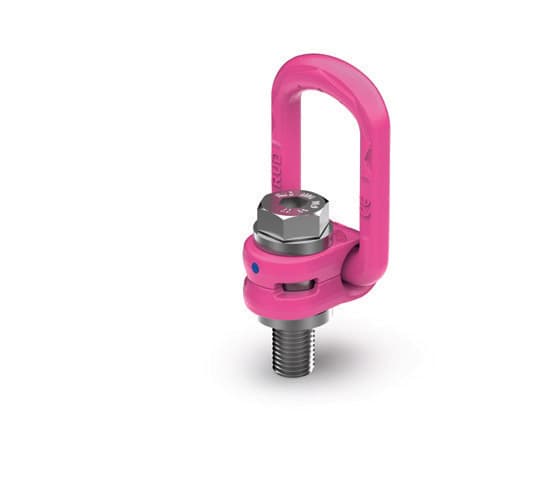
RUD · 2 tables
RUD VLBG-10.9
Transcribed from RUD's USA catalogue. Figures are theirs — tonnes, kilograms and millimetres, with imperial tables where RUD publishes them.
Design factor 4:1
RUD catalogue p63 · 6 part numbersRUD rates the same part at both 4:1 and 5:1. Use the figure that matches the design factor your application works to.
| Type | WLL [t] | Weight (kg/unit) | T [mm] | A [mm] | B [mm] | C [mm] | D [mm] | E [mm] | F [mm] | G [mm] | H [mm] | I [mm] | K [mm] | L [mm] | M | N [mm] | Tightening torque [Nm] | Order no. |
|---|---|---|---|---|---|---|---|---|---|---|---|---|---|---|---|---|---|---|
| VLBG-0.3t-M8-10.9 | 0.3 | 0.29 | 75 | 30 | 52 | 34 | 24 | 40 | 10 | 29 | 11 | 75 | 45 | 40 | M8 | 32 | 30 | 7908052 |
| VLBG-0.63t-M10-10.9 | 0.63 | 0.3 | 75 | 30 | 54 | 34 | 24 | 39 | 10 | 29 | 15 | 75 | 45 | 44 | M10 | 32 | 60 | 7908053 |
| VLBG-1t-M12-10.9 | 1.0 | 0.34 | 75 | 32 | 54 | 34 | 26 | 38 | 10 | 29 | 18 | 75 | 45 | 47 | M12 | 32 | 100 | 7908054 |
| VLBG-1.5t-M16-10.9 | 1.5 | 0.55 | 85 | 33 | 56 | 36 | 30 | 39 | 13.5 | 36 | 22 | 86 | 47 | 58 | M16 | 38 | 150 | 7908055 |
| VLBG-2.5t-M20-10.9 | 2.5 | 1.3 | 110 | 50 | 82 | 54 | 45 | 55 | 16.5 | 43 | 32 | 113 | 64 | 75 | M20 | 48 | 250 | 7908057 |
| VLBG-4t-M24-10.9 | 4.0 | 1.4 | 125 | 50 | 82 | 54 | 45 | 67 | 18 | 43 | 37 | 130 | 78 | 80 | M24 | 48 | 400 | 7908058 |
- 1 Weight depends on the design.
Design factor 4:1 — vario length
RUD catalogue p63 · 6 part numbersRUD rates the same part at both 4:1 and 5:1. Use the figure that matches the design factor your application works to.
| Type | WLL [t] | Weight (kg/unit) | T [mm] | A [mm] | B [mm] | C [mm] | D [mm] | E [mm] | F [mm] | G [mm] | H vario [mm] | I [mm] | K [mm] | L vario [mm] | M | N | Tightening torque [Nm] | Order no. |
|---|---|---|---|---|---|---|---|---|---|---|---|---|---|---|---|---|---|---|
| VLBG-0.3t-M8-10.9 | 0.3 | 1 | 75 | 30 | 54 | 34 | 24 | 40 | 10 | 29 | 8–76 | 75 | 45 | 37–105 | M8 | 32 | 30 | 8600389 |
| VLBG-0.63t-M10-10.9 | 0.63 | 1 | 75 | 30 | 54 | 34 | 24 | 39 | 10 | 29 | 10–96 | 75 | 45 | 39–125 | M10 | 32 | 60 | 8600390 |
| VLBG-1t-M12-10.9 | 1.0 | 1 | 75 | 32 | 54 | 34 | 26 | 38 | 10 | 29 | 12–116 | 75 | 45 | 41–145 | M12 | 32 | 150 | 8600391 |
| VLBG-1.5t-M16-10.9 | 1.5 | 1 | 85 | 33 | 56 | 36 | 30 | 39 | 13.5 | 36 | 16–194 | 86 | 47 | 52–230 | M16 | 38 | 150 | 8600392 |
| VLBG-2.5t-M20-10.9 | 2.5 | 1 | 110 | 50 | 82 | 54 | 45 | 55 | 16.5 | 43 | 20–187 | 113 | 64 | 75–230 | M20 | 48 | 400 | 8600393 |
| VLBG-4t-M24-10.9 | 4.0 | 1 | 125 | 50 | 82 | 54 | 45 | 67 | 18 | 43 | 24–222 | 130 | 78 | 67–265 | M24 | 48 | 760 | 8600394 |
- 1 Weight depends on the design.
The rest of the range
Other bolt-on lifting points
Not sure which point the job wants?
Send us the load, the material it bolts or welds to, and the angle it will be pulled at. Getting the lifting point wrong is the most common reason a lift goes sideways.